Imagine a world of filming locations packed into a land smaller than the US state of Colorado. A place with 12 hours of daylight year round, and a temperate climate that changes more in elevated heights beyond 20,000 feet rather than seasons.
This is Ecuador, where the Pacific Coast, the Andes Mountains, the Amazon Rainforest, and the Galápagos Islands join four worlds in one. Within short distances, productions can capture radically different landscapes — from volcanoes to tropical beaches — making Ecuador a unique cinematic canvas.
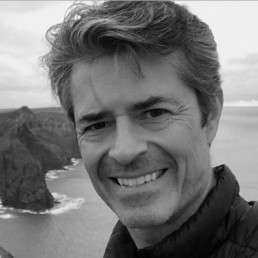
PSN Ecuador Partner, Jeff Karram, is a Canadian producer who has been living and working in Ecuador for more than 20 years. From his EP role at the helm of one of the country’s top production houses, Jeff is a keen advocate for the filming potential of his adopted country. We caught up with him for insights filmmakers will appreciate at a critical moment for the local film industry. Ecuador has adopted a game-changing 37% cash rebate on local expenses, one of the most competitive incentives in Latin America.

Where are the most popular filming locations in Ecuador?
Jeff: The capital city of Quito is a UNESCO World Heritage city, with colonial plazas, baroque churches, cobblestone streets, and lively neighborhoods with traditional markets. The old town contrasts beautifully with modern districts. Ecuador’s largest port city is Guayaquil, where a vibrant riverside boardwalk, contemporary architecture, and colorful Latin American neighborhoods pulse with street markets and urban culture. Towering volcanoes like Cotopaxi and Chimborazo, high-altitude páramo landscapes, crater lakes, and indigenous villages are what you’ll find in the Andes highlands. The region offers both majestic natural backdrops and authentic rural communities that bring strong visual identity to films. In the Amazon Rainforest there is lush jungle, winding rivers, hidden waterfalls, and indigenous communities. Productions can capture an immense biodiversity and pristine wilderness rarely accessible in such a stable and logistically manageable environment. Off the mainland coast lies a stark contrast in the Galápagos Islands, where volcanic terrain, pristine beaches, and dramatic coastlines are home to unique wildlife. On the Pacific Coast there are scenic highways, fishing villages, surf towns, mangroves, and bustling coastal markets that add color and authenticity.

What local film crew and equipment are available in Ecuador?
Jeff: Ecuador has highly skilled crews experienced in international productions across all departments: directing, cinematography, art, sound, wardrobe, and post-production. Local rental houses supply cameras, lenses, lighting, grip, drones, and mobile units. For specialized gear not available locally, temporary imports from nearby markets can be arranged quickly.

Are film permits in Ecuador necessary?
Jeff: Shoot permits are required in Ecuador. They vary by location — whether filming in urban areas, highways, or national parks. The Galápagos Islands require a special treatment due to their unique ecosystem and strict conservation policies. However, when the production needs are clear, it is possible to explore the viability of filming in this magical location. Our team secures all permits legally and efficiently with the relevant authorities.

Can foreign filmmakers bring in equipment or talent from outside Ecuador?
Jeff: Ecuador has very straightforward procedures in place that allow temporary importation of film equipment without taxes. Work visas for international cast and crew are also facilitated by the local production partner.
What can foreign filmmakers expect of Ecuador’s production incentives?
Jeff: Ecuador now offers a 37% cash rebate on eligible local expenses for international productions. Minimum spend requirements are:
- $40,000 for advertising
- $400,000 for feature films or animation
- $100,000 for documentaries
- $150,000 for series
Reimbursements are processed within 60 days, making Ecuador one of the most efficient incentive programs in the region.

Proximity is measured in distance as well as logistics. How is the local infrastructure of Ecuador?
Jeff: The two principle film hubs of the country are in Quito and Guayaquil. They are connected domestically by a 35-minute flight costing about $150. The airports in both cities receive international flights daily. The highland city of Cuenca is a hub for domestic flights and reachable by car from Guayaquil in a 3.5 hours drive. Daily air connections to the Galápagos Islands take 90 minutes. Flights there and at Amazon gateway cities make country-wide logistics smooth. Specialized transport for film crews, catering providers, and reliable connectivity are readily available.
How do the lodging options stack up in Ecuador?
Jeff: There are a lot of options for lodging in 3-to-5-star hotels in major cities and tourist hubs across Ecuador. There are about a dozen international hotel chains that will be familiar to foreign travelers providing accommodations in the country.

What about safety for foreign filmmakers working in Ecuador?
Jeff: We’ve never had a need to hire personal security for our clients, although in some cases depending on where we’re shooting, we will have general security on location. We always ensure adherence to safety protocols, secure logistics, and vetted locations across all regions.
Do you have any insider tips for shooting in Ecuador?
Jeff: Take advantage of the dramatic diversity within short distances. A crew can film coastal scenes in the morning and be shooting at high-altitude volcanoes or in the rainforest by afternoon. This compact geography is a unique production advantage. Equally important: enjoy the warmth and flexibility of Ecuadorian crews. We work in a people business where we welcome international collaborations.

Is there a language barrier for foreign filmmakers?
Jeff: To some extent, yes, but a lot of department heads including directors, DoP’s, AD’s, producers, production designers, and others do speak English. Our in-house team of executive producers and partners ensure fluid communication.

How easy is it to cast actors and extras in Ecuador?
Jeff: Ecuador has a wide range of talent for the Hispanic market, and we can easily draw on the deeper talent pool in Colombia as needed. Foreigners may be surprised to learn Ecuador is home to talent of African heritage as well as those who have an American blond-hair, blue-eyed look. We can also fly in any kind of talent from Miami on a 4-hour-and-30-minute flight.

When is the best time of year to film?
Jeff: Ecuador’s beach season stretches from December until May, which sees mostly sunny days despite downpours on certain days. The other months at the beach are cooler with greyer skies but still enjoying some sunny days. In the highlands, in cities such as Quito and Cuenca, they experience more rain from January to April; however, there is little rain during the other months. There are studios in both Quito and Guayaquil that facilitate shooting 24/7 all year round.

How cost-competitive is Ecuador in the region?
Jeff: Ecuador can be a third of the cost compared to countries like Mexico. Filmmakers from North America and Europe will find that Ecuador can be 25% of what it costs to film in their countries. All in all, Ecuador is a little-known treasure we’re excited to share with the global filmmaking community. Reach out to us to discuss how your next project may find all its needs with us here in Ecuador.