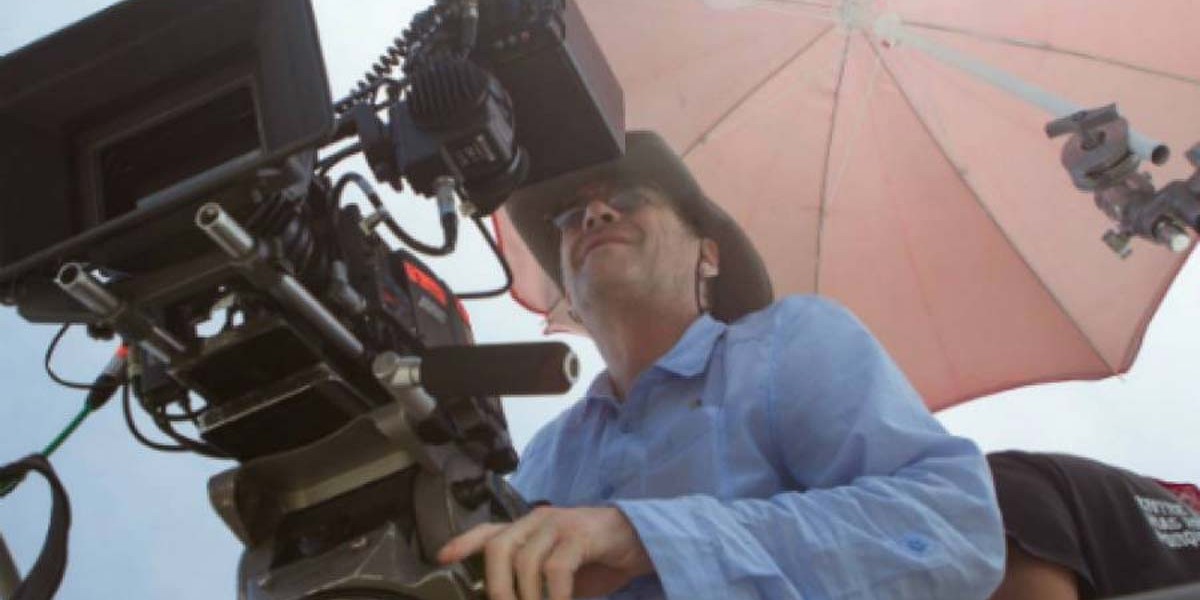
The allure of Japan as a filming destination has grown exponentially in recent years, thanks largely to international projects which are tapping into the country’s generous rebate program.
PSN Japan Partner producers Masa Aikawa and Satch Watanabe have worked on some of those projects. They share their insights in this interview.
Why is the authenticity of filming on location so valuable in Japan?
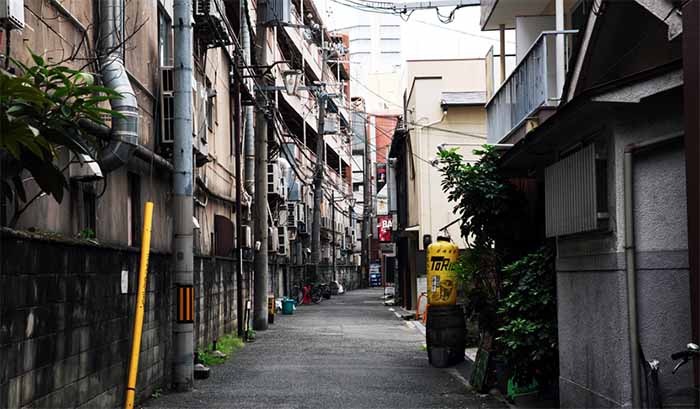
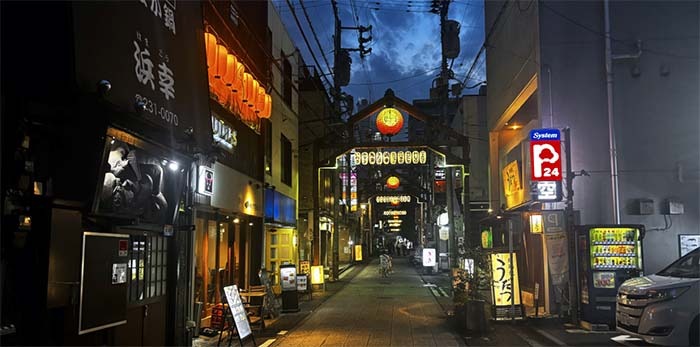
Satch: Directors often insist on shooting ‘Tokyo in Tokyo.’ Real skylines, historic temples beside skyscrapers, authentic nightlife, neon glow, the narrow alleys, the quiet side streets – all of it creates a texture you simply can’t fake or recreate with CGI or backlots. The authenticity adds a cinematic depth audiences recognize immediately.
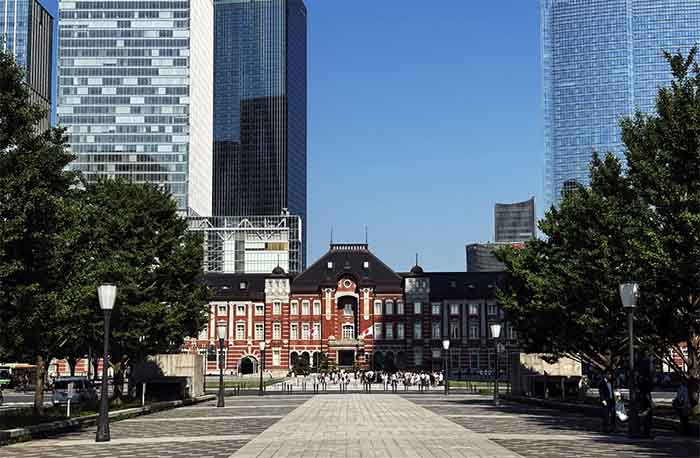
What type of iconic locations draw film productions to Japan?
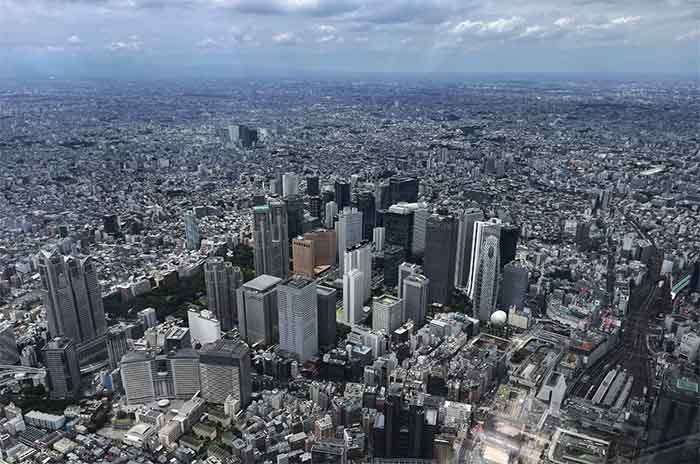
Masa: The unique urban buzz of Japan is on display in places like Shibuya Crossing, Shinjuku, Osaka’s Dotonbori. In sharp contrast, filmmakers capture rural peace at Kyoto temples, Hokkaido, and Okinawa.
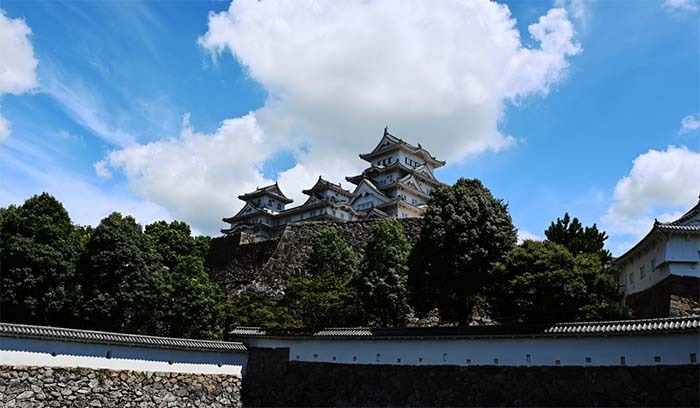
Is there a language barrier?
Satch: Unfortunately, there is a language barrier to some extent because not all crew members in Japan speak English. There are highly skilled bilingual crew members in the Tokyo area. Permits are Japanese-only, so bilingual producers are essential.
What’s the biggest challenge foreign productions face with permits in Japan?
Masa: In Japan, “everything is local.” That means each neighborhood police station or ward office makes its own call on whether you can film there. Some are cautious, especially if there’s no precedent for the type of shoot. So a permit in Tokyo isn’t just city hall—it’s local police, residents, and businesses too.
It’s helpful to understand that Japan follows a bottom-up process. You start with residents and local businesses, then get approval from the local police, and in some cases, also from the city. Even with police permission, you don’t control the street; you’re only allowed to be present, and pedestrians can still walk through your shot.
How can a production service company help?
Satch: Japan can be a challenging country to shoot in because locations don’t always welcome productions – they don’t want to disrupt their customers or their daily business. The key is to build relationships and gain trust, and this usually takes time. Foreign productions quickly learn that customary rules don’t apply, and money doesn’t always talk in Japan. Sometimes offering more money can work against you. And the police are also not cooperative compared to other countries.
We, as a production service company, navigate the challenges by building a film-friendly atmosphere that streamlines permits, coordination with authorities, and enables us to assemble the best available bilingual crew. The tax incentive program also needs to be applied for by a Japanese company.
Which recent international projects shot in Japan?
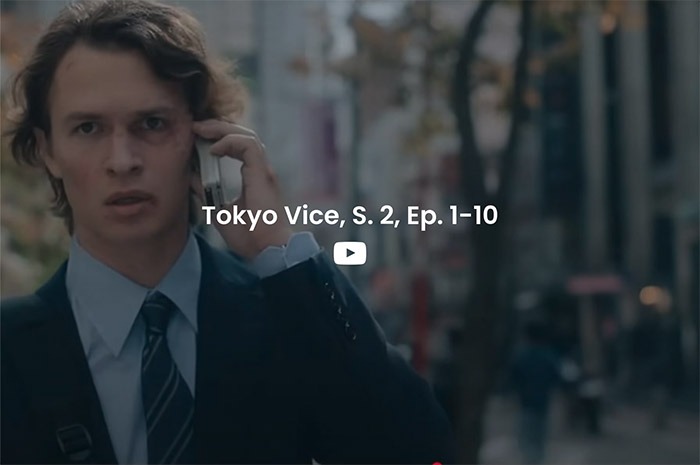
Satch: I have been involved with some recent international projects shooting in Japan such as Neuromancer, Drops of God, and Tokyo Vice. Other major shows include Monarch: Legacy of Monsters S2, and The Smashing Machine, which used Japan’s location and rebate program.
How easy is it to cast actors and extras?
Satch: Japan has produced some world-class actors such as Ken Watanabe, Hiroyuki Sanada, Anna Sawai, and Tadanobu Asano. There is a strong local pool in Tokyo, but because there are so many productions happening in Japan, actors can be booked a year or more in advance. The earlier you plan, the more choices you will have for actors.
Any red flags concerning rates & negotiations?
Satch: Talent is negotiated on a case-by-case basis for day rates, episode rates, + buyout model. There is no single union standard.
Diversity in casting pools?
Satch: The selection of foreign residents in Japan is starting to grow, but the population remains largely homogenous. We normally recommend flying in non-Asian talent for English-speaking roles.
How long does it take to secure filming permits in Japan?
Masa: As a general rule of thumb, streets permits usually take around 5 days after submission for simple setups, but street closures require more time, sometimes months.
Drone flights take at least 10 business days, ideally 3–4 weeks. Night shoots need additional neighborhood coordination and oftentimes police approvals.
Are some filming locations more complicated to work with than others in Japan?
Masa: There are some very busy locations in the city that can take four to six months to secure just one location. The process is highly relationship-driven. During Tokyo Vice, for one major street scene in Akasaka, I had to get approval not just from the police but also from nearly 300 local residences and businesses, and I started the process six months before cameras rolled. That kind of groundwork is what makes the difference between permission and a flat “no.”
And importantly, once a scout makes first contact, only that scout can continue negotiations—no hand-offs are allowed. This is because building a relationship with the local people is key to the success of obtaining filming permission.
Respecting local residents is critical. Shooting without permits, blocking sidewalks, ignoring local bans will discourage locations from granting further permissions, so it hurts the industry overall.
Best time of year to shoot?
Masa: Spring is a popular time because of the cherry blossoms. Summer is not ideal because of the heat and the humidity, along with rain and typhoons towards the end of summer. Autumn offers a comfortable climate with beautiful foliage. Memorable winter scenes in snow can be accomplished in the Hokkaido/Tohoku areas.
Japan has ramped up a generous incentive in a few short years. What are the key details to know?
Satch: Japan’s Location Incentive (JLOX+ 2025) offers a cash rebate of up to 50% of eligible spend, capped at JPY 1B. Eligibility: JPY 500M+ local spend, Or JPY 1B+ total budget with JPY 200M+ in Japan, or distribution in 10+ territories with JPY 200M+ in Japan. Producers regularly consult with us to ensure their projects qualify so expectations are met.
How easy are travel and lodging logistics?
Masa: The major cities of Tokyo, Osaka, and Kyoto are well connected by the Shinkansen bullet trains. Hotels range from business class to 5-star. Rural accommodations can be limited, so they need to be planned and booked early.
How efficient is infrastructure?
Masa: It is a matter of national pride that Japan’s trains average under 2 minutes delay annually. Airports are also top-ranked. Our infrastructure contributes toward the predictability of company moves.
What are the standards of crew and equipment hire in Japan?
Satch: There is a very mature skill set across all departments. The shoot day is 10–12 hours including standard meal break. A wide range of equipment can be hired locally, including ARRI Alexa 35, lenses, lighting, grip. Major rental houses operate at internationally competitive rates.
What rules apply to stunt work and safety in Japan?
Satch: Japan doesn’t have ‘movie police’ that support and assist your shoot on location. Even with permits, local police can shut you down anytime. Stunts, gunfire, and night shoots in public spaces require extra caution and community negotiation.
How competitive is Japan on budget vs. value delivered?
Satch: The days when filming in Japan was prohibitively expensive are past. Favorable foreign exchange rates and the generous rebate do much to offset professional rates that secure high-quality performance, reliability, and efficiency on set. Filming in Japan is a world-class experience we enjoy sharing with fellow filmmakers.